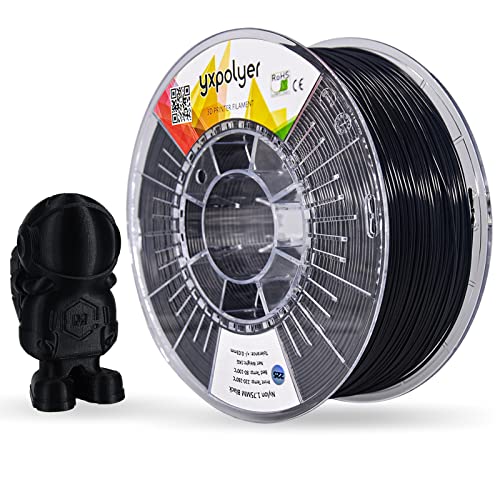
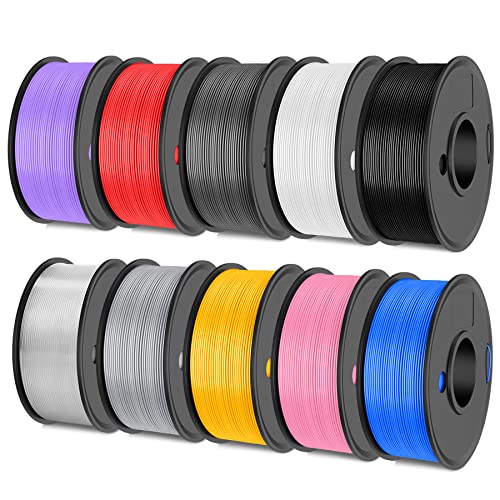
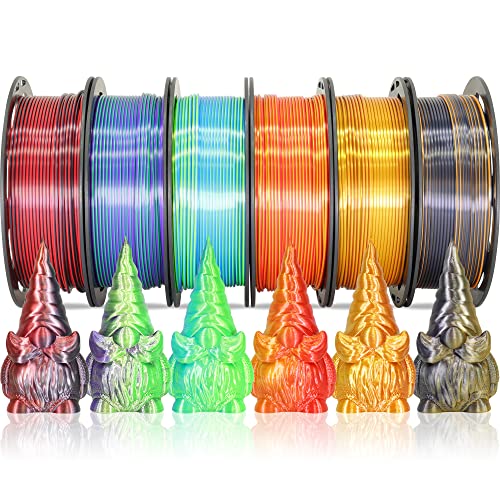
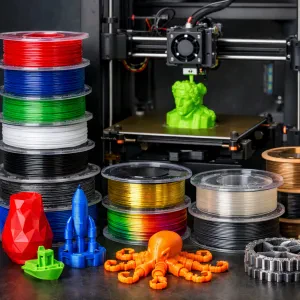
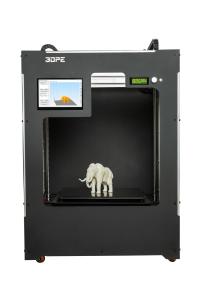
If you’re diving into the world of 3D printing, FDM printers are a great place to start. FDM stands for Fused Deposition Modeling, and these printers are super user-friendly. They work by melting plastic filament and layering it to create objects, making them perfect for everyday projects.
One of the best things about FDM printers is the wide range of materials you can use. Whether you need stiff, durable parts or something flexible, there’s a filament out there for you. PLA and ABS are popular choices. PLA is biodegradable and perfect for beginners, while ABS gives you that tough, long-lasting feel, especially for functional items.
FDM printers are also relatively affordable compared to other types. You can find solid entry-level models without breaking the bank. Plus, they’re widely available, so you can easily pick one up online or at your local tech store. Setting them up usually isn’t complicated, and lots of resources and communities are ready to help you get started.
Another perk is their versatility. Want to print toys, prototypes, household items, or even custom tools? An FDM printer can handle it all. They’re ideal for projects where you need something quickly and efficiently. Just fire up the printer, and in a few hours, you’ll have your creation ready to go!
SLA Printers for High Detail Prints
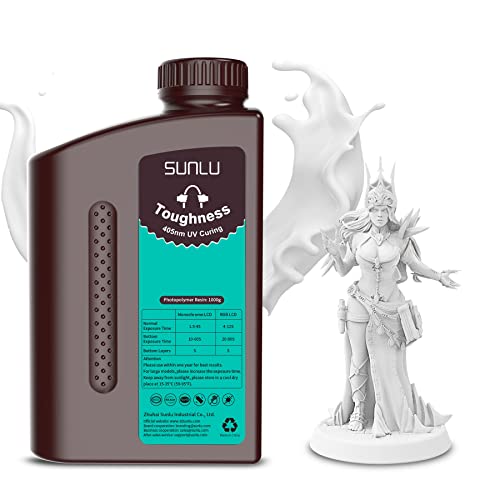
SLA printers, or Stereolithography printers, are the go-to choice for anyone looking to create super detailed prints. If you need precision and smooth finishes, these printers shine. They use a liquid resin that hardens with a UV laser, giving you incredible detail, perfect for miniatures, jewelry, or intricate designs.
One of the biggest perks of SLA printers is their ability to create parts that look polished right out of the machine. You won't have to sand down rough edges as much as you might with other types of printers. The layer lines are super fine, so your finished products look like they came straight from a factory.
However, keep in mind that SLA printers do require some extra care. The resin can be a bit messy, so make sure you have a good setup to handle it. Also, you’ll need to do some post-print curing to get the best results. But for high-quality prints, many find that the effort is totally worth it.
SLS Printers for Stronger Materials
SLS printers, or Selective Laser Sintering printers, are a game changer for anyone looking to work with super strong materials. Instead of using plastic filament like your standard FDM printer, SLS uses a laser to melt powdered materials, typically nylon or other strong polymers. This process creates incredibly durable parts that can handle a lot more stress than your everyday 3D prints.
One of the coolest things about SLS is that it can produce complex shapes without the need for support structures. Since the powder supports the part during printing, you can create intricate designs that just aren’t possible with other types of printers. If you’ve ever wanted to make something lightweight yet tough—like custom drone parts or functional prototypes—SLS is the way to go.
Another benefit is the finish quality. SLS prints tend to have a smoother surface and exhibit excellent dimensional accuracy, making them ideal for professional applications. Whether you're running a small business or working on a personal project, you’ll appreciate how reliable and consistent SLS prints can be.
That said, SLS printers can be pricey and need a bit more maintenance than other types. But if you're serious about creating parts that can withstand some wear and tear, investing in an SLS printer could be the right choice for you. It opens up a whole new world of possibilities and lets you create parts that are built to last.
DLP Printers for Fast Prototyping
DLP printers are super cool if you’re into fast prototyping. They work by using a digital light projector to cure resin layer by layer, which makes the whole process really quick. Instead of having to move the print head around like some other printers do, the DLP printer cures an entire layer at once. This means you get your prototypes faster, which is a big win for anyone needing to iterate on their designs.
If you’re worried about detail, don’t be! DLP printers can create incredibly detailed parts. They shine in projects that need fine features or intricate designs. You’ll see super smooth surfaces and sharp edges without the need for a lot of post-processing. It’s a game changer, especially for those wanting to show off prototypes to clients or stakeholders.
When thinking about costs, it’s essential to consider the price of resin and the printer itself. DLP printers can be expensive upfront, but they save you time and effort in the long run. The speed and precision can make your investment worth it, especially if you’re in a fast-paced industry where time is critical.
Setting up a DLP printer is usually pretty straightforward. Just load the resin, level the build plate, and you’re ready to go! Many models come with user-friendly software that helps you get started without a ton of hassle. Perfect for anyone who may not have a ton of technical experience.