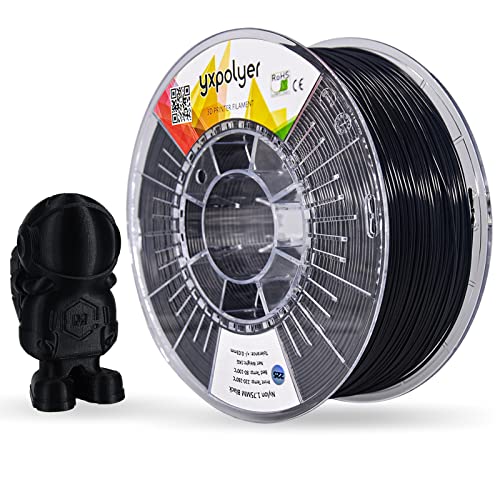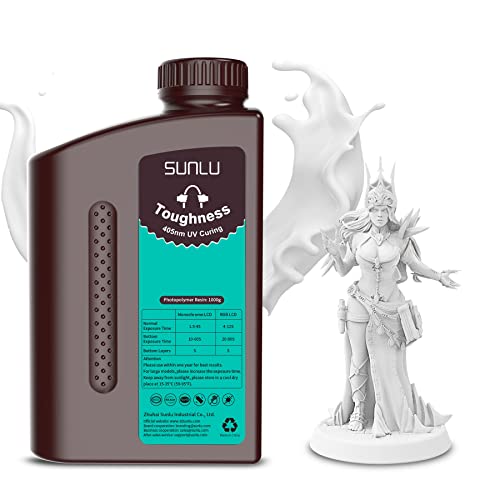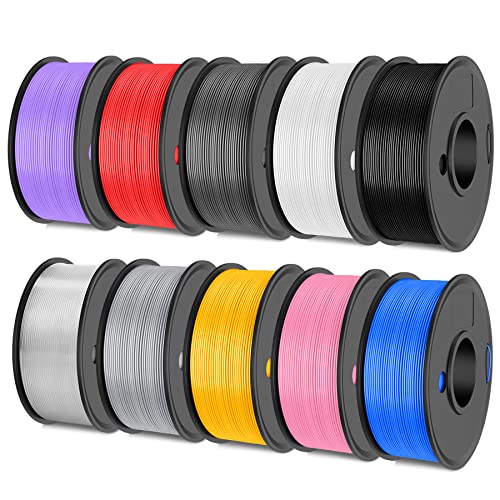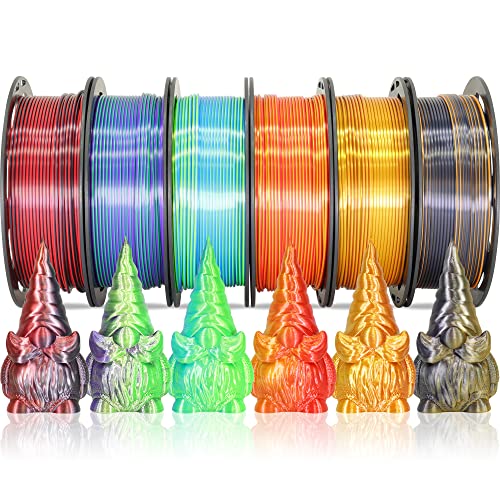
When you dive into the world of 3D printing, you'll quickly learn that the filament you choose can make a huge difference. Different materials offer unique features and capabilities, so understanding what’s out there is key to getting the most out of your printer.
PLA (Polylactic Acid) is probably the most popular choice for beginners. It’s super easy to print with, and you can find it in a rainbow of colors. PLA is biodegradable, which is a nice bonus if you're eco-conscious. It prints at low temperatures, so you won’t need to heat up your printer too much. Just keep in mind that it’s not the toughest material out there, so avoid using it for items that will face heavy wear and tear.
Then there's ABS (Acrylonitrile Butadiene Styrene). This stuff is tougher and holds up better against heat. If you want to make functional parts that can withstand a bit of rough handling, ABS is a solid pick. It can be a challenge to print with, though, as it requires a heated bed and good ventilation. But for durable projects, it’s definitely worth the trouble.
PETG (Polyethylene Terephthalate Glycol) is another excellent option. It combines some of the best aspects of PLA and ABS. It’s strong, has good flexibility, and resists moisture, making it perfect for both functional items and outdoor projects. Plus, it prints easily and doesn’t warp, which is a big win when tackling detailed designs.
TPU (Thermoplastic Polyurethane) takes a different spin by being flexible. If you’re looking to create items like phone cases or custom shoes, TPU is your go-to. It bends without breaking, which makes it super handy for making items that need a little stretch. Just be ready for a slower printing speed and some adjustments to your printer if you're trying it out for the first time. Exploring these materials can really open up new possibilities for your 3D projects!
Choosing the Right Filament for Your Project
When diving into the world of 3D printing, picking the right filament can feel a bit overwhelming. But don't worry! It's easier than you think. Different projects need different materials, and knowing what’s out there helps you make the best choice.
First up is PLA (Polylactic Acid). This is a go-to option for beginners. It’s super easy to print with and gives off a pleasant, sweet aroma. PLA works well for decorative items, prototypes, and even toys. Just keep in mind, it’s not the toughest material around. If your creation might face a few bumps, you might want something sturdier.
Then we have ABS (Acrylonitrile Butadiene Styrene). This material is known for its durability. It's great for functional parts, like phone cases or tools. ABS can handle heat pretty well, but it does require a heated bed for smooth printing. Plus, working with ABS can release fumes, so keep that in mind and ventilate your space!
If you're after some flexibility and strength, try TPU (Thermoplastic Polyurethane). This filament bends easily, making it perfect for items like phone cases or wearable tech. It might take a little practice to get it right, but the results are worth it. Just remember, it’s a bit trickier to print compared to PLA and ABS.
Finally, there's PETG (Polyethylene Terephthalate Glycol). This one strikes a nice balance between ease and durability. PETG is resistant to chemicals and moisture, making it a solid choice for outdoor projects or functional items that need some extra toughness. Plus, it's less likely to warp compared to ABS, so it’s a reliable pick.
Comparing Strength and Flexibility in Filaments
When it comes to 3D printing, choosing the right filament can make a huge difference in your final product. Two of the most important features to consider are strength and flexibility. Let's break these down.
Strength is all about how well a filament can handle stress and pressure without breaking. Filaments like ABS and PLA are popular because they have solid tensile strength. ABS is great for functional parts, like toys or tools, as it can withstand rough handling and higher temperatures. PLA, on the other hand, is easier to print and good for detailed objects, but it doesn't have quite the durability of ABS.
Now, let’s talk about flexibility. If you want your printed parts to bend and stretch without snapping, you’ll need to look into flexible filaments like TPU or TPE. These materials are ideal for items that need to be soft and bendy, like phone cases or custom footwear. They’re super fun to work with but can be a bit tricky when it comes to printing settings.
Both strength and flexibility serve different purposes, so think about what you actually need for your project. Do you want something sturdy or something that can bend? Understanding these key differences will help you choose the right filament for your 3D printing adventures!
Tips for Working with 3D Printing Filaments
When you're diving into the world of 3D printing, getting familiar with filaments is key. Each type comes with its quirks and advantages, so here are some tips to make your experience smoother.
First off, always store your filaments properly. Humidity can ruin a good spool of filament. Keep them in a dry place and consider using vacuum bags or airtight containers. If your filament does get a bit moisture-laden, a little time in the oven can help dry it out—just watch the temperature!
Next, remember that every filament has its recommended print temperature range. Always check the manufacturer's guidelines. Adjust your printer settings accordingly to avoid issues like stringing or poor adhesion. If the results aren’t what you expected, tweak the settings a bit and test again!
Don't forget about the build surface. Different filaments stick better to different surfaces. For example, PLA usually works well on blue painter's tape or glass, while ABS benefits from a heated bed. Experiment to see what works best for you!
Lastly, keep your printer clean. Filament dust and debris can lead to jams and failed prints. Regular maintenance goes a long way in ensuring your prints turn out beautifully. Plus, it’s always satisfying to see a well-maintained machine in action!