If you’re diving into the world of 3D printing, you need to know about resin. It comes in a bunch of types, and each one has its own perks. Here are some of the coolest types of 3D resin you should definitely check out!
Standard Resin is the go-to choice for most beginners. It’s perfect for making prototypes and detailed prints. The finish is smooth, and colors are vibrant, so it’s great for artistic projects or miniatures. Plus, it’s pretty affordable, which is a bonus if you’re just starting out.
Flexible Resin is a game changer if you need some bendability in your prints. Think of things like phone cases or toys that you want to have some give without breaking. This stuff is super handy for designs that need to move or stretch a bit.
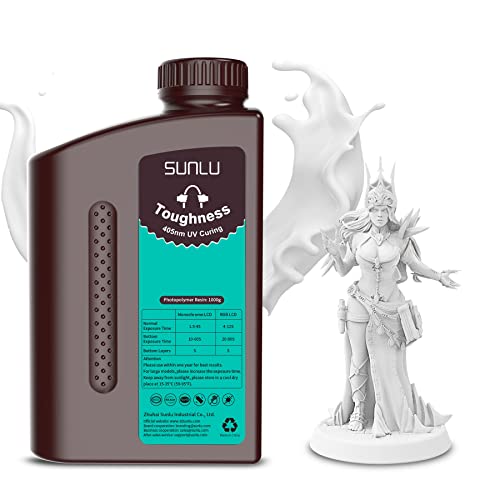
If you’re looking for strength, then Durable Resin is what you want. It's tough and can handle wear and tear better than standard resin. It’s perfect for functional parts like gears or tools, where you need that extra strength without sacrificing detail.
Finally, Castable Resin is fantastic for anyone into jewelry making or rapid prototyping. You can create intricate designs that can be easily cast in metal. This type really shines when you want precision while working on a project that needs a professional touch.
Benefits of Using 3D Resin
Using 3D resin can really enhance your printing game. If you’re looking for fine details and smooth finishes, resin is your best friend. It’s perfect for creating miniatures, jewelry, or any project that needs that extra touch. Unlike traditional filament printers, resin printers offer a level of detail that makes your designs pop.
Another cool benefit is speed. Resin printers can often produce high-quality prints faster than their filament counterparts. You can get your creations ready in no time, which is great if you’re working on tight deadlines or just want to see your ideas come to life quickly.
Don’t forget about versatility either! There are all sorts of resins available for different needs. Want something flexible? There’s resin for that. Need something super strong? Yup, there’s a resin for that too. You can customize your prints based on the function you need, making resin printing a go-to choice for many hobbyists and pros alike.
Plus, the post-processing can be a breeze. While some might think it’s a hassle, the finishing options with resin are quite appealing. Simple sanding or polishing can transform your print into a stunning piece. You can paint it, coat it, or leave it with that glossy finish straight from the printer. It’s all about the look you’re going for!
Choosing the Right 3D Resin
First up is the type of project you’re working on. If you’re creating detailed miniatures or intricate designs, you’ll want a resin that boasts high detail and smooth finishes. Look for options labeled as “high-resolution” or “clear” resins. These are great for showcasing all those little features that make your print stand out.
Next, think about how durable you need your prints to be. If your creation needs to withstand wear and tear, go for tough or flexible resins. These types are super sturdy and can handle some bending or impact without breaking. On the other hand, if you’re just doing a one-time display piece, a standard resin should do the trick.
Don’t forget about curing time, too! Some resins cure quickly and let you move on to the next step in no time. Others take a bit longer, which might be okay if you’re not in a rush. Just keep that in mind when planning your print sessions.
Last but not least, check for compatibility with your printer. Always ensure the resin you pick works seamlessly with your specific 3D printer model. A little research can save you from a lot of headaches down the road.
Tips for Working with 3D Resin
Working with 3D resin can be super fun, but there are a few tips that can make your experience better and more enjoyable. First off, safety is key. Always wear gloves and a mask while handling resin. Some of these materials can be a bit stinky and irritating, so protecting yourself is important. A designated workspace with good ventilation goes a long way too.
Next, make sure to measure your resin and hardener accurately. Most resins require a specific mixing ratio for proper curing. Grab a scale for precision or use the measuring cups that usually come with your resin. Getting this right helps prevent problems like sticky prints or failed projects.
Don’t forget about your printer settings! Set your layer height, exposure time, and lift speed according to the resin you’re using. Each type of resin has its own quirks, and tweaking these settings can make a big difference in the detail and quality of your prints. Start with the manufacturer’s recommendations and adjust if needed.
Cleaning up after print time? Use isopropyl alcohol (IPA) to wash your prints. It helps remove any uncured resin. But be sure to do this in a well-ventilated area, and don’t forget to keep your cleaning materials away from sunlight. After washing, let your prints cure under a UV light for the best results; this step solidifies everything and strengthens your creation.
Finally, store your resin properly. Keep it in a cool, dark place and make sure the cap is tightly sealed. Resin can go bad if it’s exposed to light or heat for too long. Taking these simple steps can help you avoid lots of frustrating issues and keep your 3D printing journey smooth!